New Technology for Anti-Termite Treatment in Pre-Construction Houses
Introduction
Termite infestations pose a significant threat to the structural integrity of buildings, especially in regions prone to subterranean termites. Pre-construction anti-termite treatment is a crucial step in safeguarding new structures from future termite attacks. With advancements in technology, innovative solutions are now available that offer enhanced protection, efficiency, and environmental safety.
Traditional Methods: A Brief Overview
Conventional pre-construction anti-termite treatments typically involve the application of chemical barriers in the soil before the foundation is laid. While effective, these methods often rely on large quantities of chemicals, raising concerns about environmental impact and long-term efficacy.
Emerging Technologies in Pre-Construction Anti-Termite Treatment
1. Non-Repellent Termiticides
Modern non-repellent termiticides, such as those based on fipronil or imidacloprid, are now widely used. Unlike traditional repellents, these chemicals are undetectable by termites, allowing them to come into contact with the treated soil and transfer the active ingredient throughout the colony, leading to more comprehensive control.
2. Baiting Systems
Pre-construction baiting systems involve installing bait stations around the construction site. These stations contain slow-acting toxicants that termites carry back to their colony, effectively eliminating the entire population. Baiting systems are less intrusive and use minimal chemicals compared to traditional soil treatments.
3. Physical Barriers
Physical barriers, such as stainless steel mesh or specially designed plastic sheeting, are installed beneath the foundation and around service pipes. These barriers physically block termites from entering the structure, providing long-lasting protection without the use of chemicals.
4. Termite-Resistant Construction Materials
The use of termite-resistant materials, such as treated wood, concrete, and metal, is gaining popularity in pre-construction. These materials are either naturally resistant or treated with anti-termite agents, reducing the risk of infestation.
5. Advanced Soil Treatment Techniques
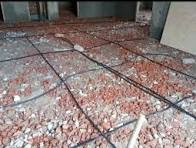
Innovative soil treatment methods, such as micro-injection and soil reticulation systems, ensure even distribution of termiticides. Soil reticulation involves a network of pipes laid beneath the foundation, allowing for uniform and controlled application of chemicals, as well as easy re-treatment if necessary.
6. Eco-Friendly and Green Solutions
With growing environmental awareness, eco-friendly anti-termite solutions are being developed. These include the use of botanical extracts, biological control agents, and reduced-risk chemicals that minimize harm to non-target organisms and the environment.
Benefits of New Technologies
Enhanced Efficacy: Improved methods ensure more thorough and long-lasting protection.
Reduced Environmental Impact: Lower chemical usage and eco-friendly options protect the surrounding ecosystem.
Convenience: Systems like soil reticulation allow for easy maintenance and re-treatment.
Comprehensive Protection: Combination of physical and chemical barriers offers multi-layered defense.
Conclusion
The adoption of new technologies in pre-construction anti-termite treatment marks a significant advancement in building protection. By integrating innovative chemical, physical, and eco-friendly solutions, builders and homeowners can ensure robust, long-term defense against termite infestations, safeguarding their investments for years to come.




Comments